Dr. Umar Chapra: A Legend Passes into History
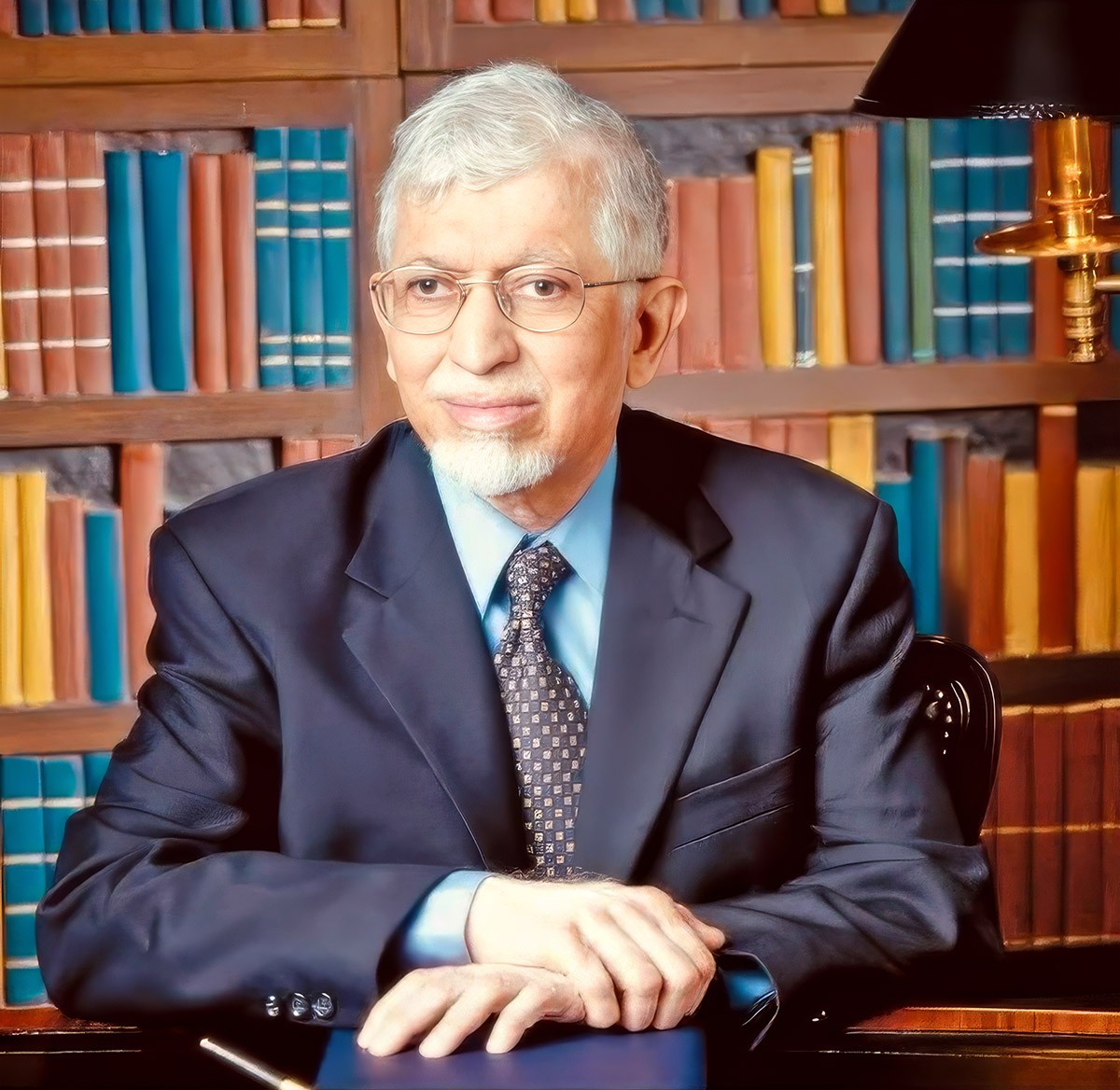
1933-2026
In the second half of the twentieth century, when the global economy was heavily dominated by the dual polarization of capitalism and socialism, an economist began searching for an alternative third path in light of the Islamic worldview. He was Dr. Muhammad Umar Chapra, a Saudi citizen of Pakistani origin, who, after gaining profound expertise in Western economic thought, played a pivotal role in reconstructing the theoretical foundations of Islamic economics.
Dr. Chapra was born in 1933 in Bombay (Mumbai), British India, and later grew up and studied in Karachi. After earning a master’s degree, he went to the United States and obtained a Ph.D. in economics and sociology from the University of Minnesota in 1961. He became deeply familiar with mainstream economic theories but realized that these theories were devoid of any meaningful answers to morality and justice. This realization shaped the primary direction of Dr. Chapra’s research.
In 1965, he was appointed as an economic adviser to the Saudi Arabian Monetary Agency (now the Saudi Central Bank). He played an important role in shaping the Saudi banking system and contributed significantly to the formulation of the country’s financial and economic policies. In recognition of his exceptional services, he was granted Saudi citizenship, a rare honor for a foreign scholar.
Later, he served as a Research Adviser at the Islamic Research and Training Institute of the Islamic Development Bank.
Dr. Chapra’s eminent works include numerous books and research papers. He authored some 15 books and published more than 90 articles and book reviews. Among his most influential works are: Towards a Just Monetary System (1985), Islam and the Economic Challenge (1992), The Future of Economics: An Islamic Perspective (2004), and Muslim Civilization: The Causes of Decline and the Need for Reform.
His works have been translated into many languages, including Bengali, and are used as textbooks in numerous universities around the world.
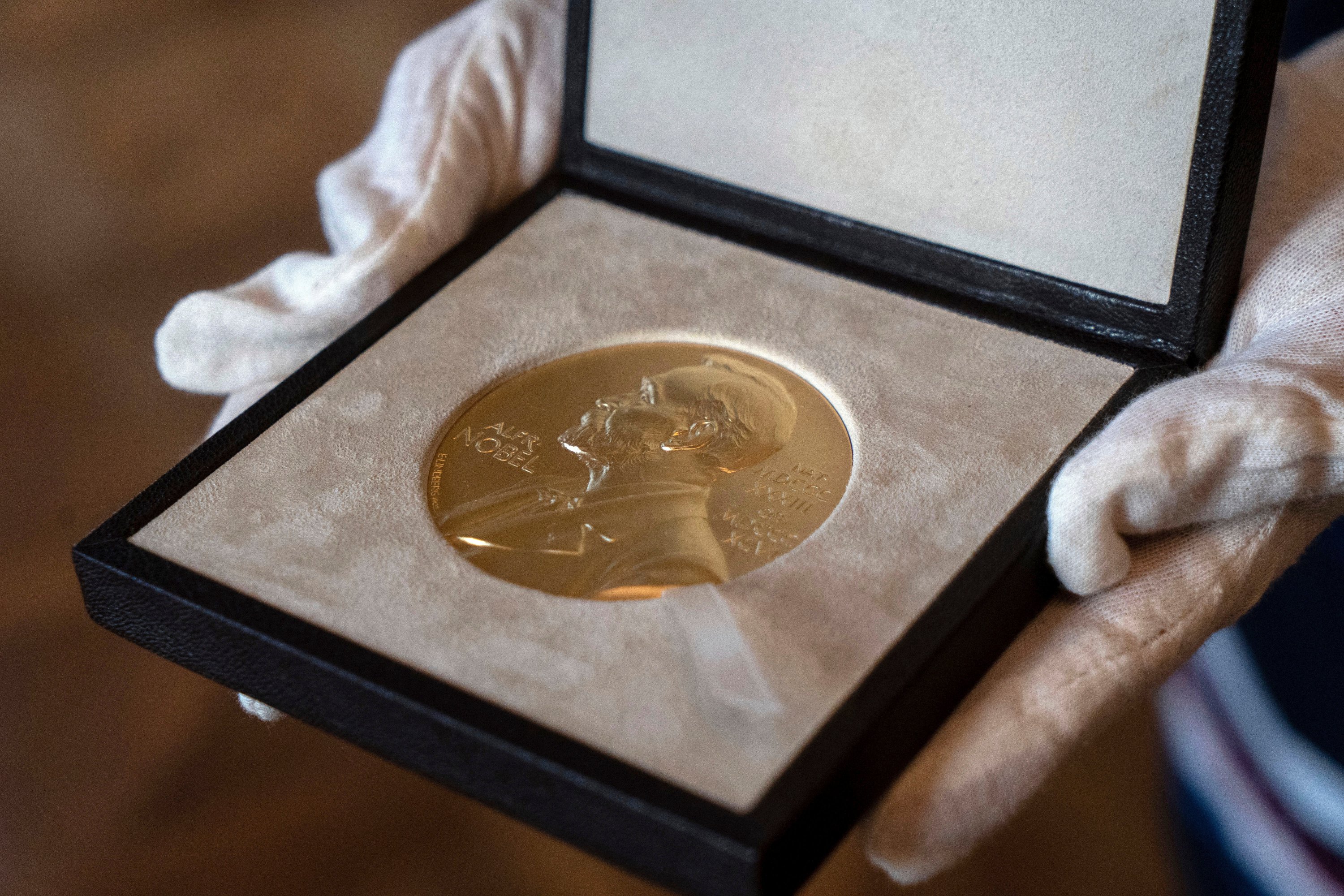
In 1990, Dr. Chapra received the King Faisal International Prize for Islamic Studies. This is besides several other international recognitions and awards. In 2015, he was considered one of the Top 50 Global Leaders in Islamic Economics.
Dr. Chapra was not merely an economist; he was a visionary thinker who built a bridge between Islam and modern economics. His life and work demonstrate that religion and science are not necessarily in conflict; when approached correctly, they can complement one another.
At a time when the world is grappling with economic instability, inequality, and a crisis of values, Dr. Chapra’s vision of an economy founded upon justice and morality appears more relevant than ever. His research offers a sustainable and humane alternative for postmodern economics, which may well be regarded as his most enduring contribution.
On 13 June 2026, Dr. Chapra, the towering architect of Islamic economics, passed into history. Inna lillahi wa inna ilaihi rajeoun (to Him we belong, to Him we return).