Aung San Suu Kyi and the Price of Silence
Aung San Suu Kyi and the Price of Silence
The genocide against the Rohingya people was no accident. It was the culmination of decades of systemic discrimination, reaching its horrific apex while the world watched—and while those in power who could have made a difference chose silence. Among them was Aung San Suu Kyi, Myanmar’s Nobel laureate and democratic icon. When the Rohingya desperately needed protection, she stood with the generals. Today, those same generals hold her in a cell. Her story poses a stark moral question: When you turn away from the suffering of a persecuted people, who will stand for you when your own power falls?
The Unfolding Catastrophe
The genocide’s most violent chapter erupted in August 2017 under Senior General Min Aung Hlaing. After militants from the Arakan Rohingya Salvation Army (ARSA) attacked police posts, the military launched a campaign it called “clearance operations.” The world saw it differently. Satellite imagery revealed hundreds of Rohingya villages torched, their homes, mosques, and farmland obliterated, while neighboring non-Rohingya settlements often remained untouched. Over 700,000 people fled to Bangladesh, creating the world’s largest refugee camp. The United Nations called it a “textbook example of ethnic cleansing.” The United States later formally declared it a genocide.
A Defender’s Complicity
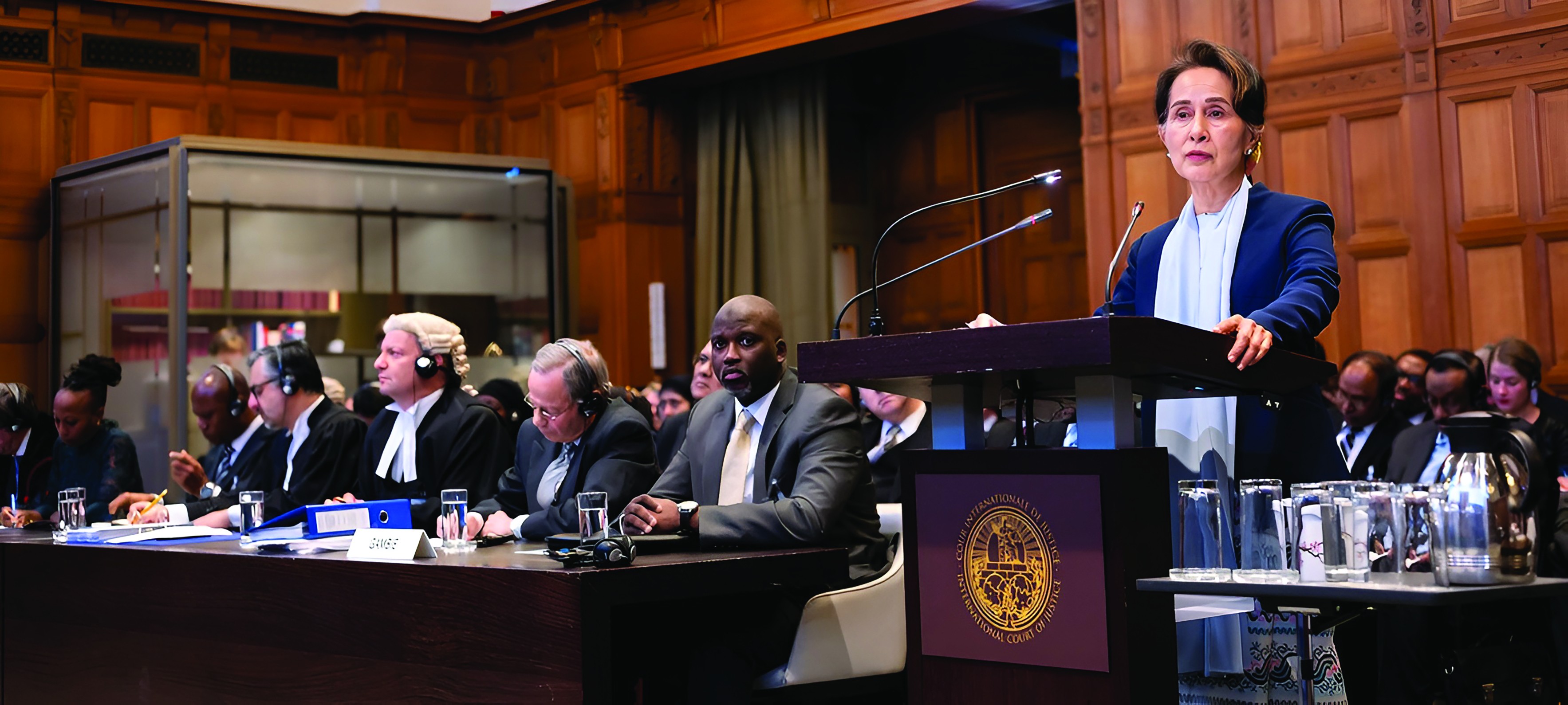
As international condemnation grew, Suu Kyi’s response was defining. After a major UN investigation found the military guilty of genocide and crimes against humanity, she remained silent. Addressing the crisis in 2017, she dismissed the violence as a “security operation.” In 2019, defending Myanmar at the International Court of Justice, she refused to utter the word “Rohingya,” referring only to “Muslims from Rakhine State”—a denial of identity that rights groups saw as part of the state’s erasure project. Her administration dismissed widespread reports of atrocities, including sexual violence, as “fake rape.”
The Irony of Fate
The system she protected soon turned on her. On February 1, 2021, the very military she had shielded from international accountability staged a coup, arresting Suu Kyi as parliament prepared to convene. The charges were numerous and politically crafted: from possessing walkie-talkies and violating COVID-19 rules to corruption and election fraud. Closed-door trials, shielded from public scrutiny, have since piled decades onto her sentence. The junta recently reduced her term from 33 years to 27, but she remains imprisoned—now in her eighties, held under strict supervision with rare contact to the outside world. Her own son has called her conditions a “hellhole.”
A Cautionary Tale
There is a profound irony in her downfall. The generals who orchestrated the Rohingya genocide now hold captive the woman who once stood beside them. Her journey from Nobel icon to imprisoned enabler serves as a grim lesson: In defending oppressors, you may eventually become their victim, isolated and without protection.
Today, Suu Kyi sits alone, her legacy shattered. The international sympathy she once commanded has dwindled, eroded by her own choices. Meanwhile, the Rohingya remain in limbo—their homes destroyed, their community scattered, their justice delayed indefinitely. The world moves on, but the consequences of silence endure.
Abul Kasim is a Rohingya writer, translator, and researcher focusing on Rohingya affairs and regional politics.